

Importance of CNC Metal Part Production in Electrical Sub-Industry
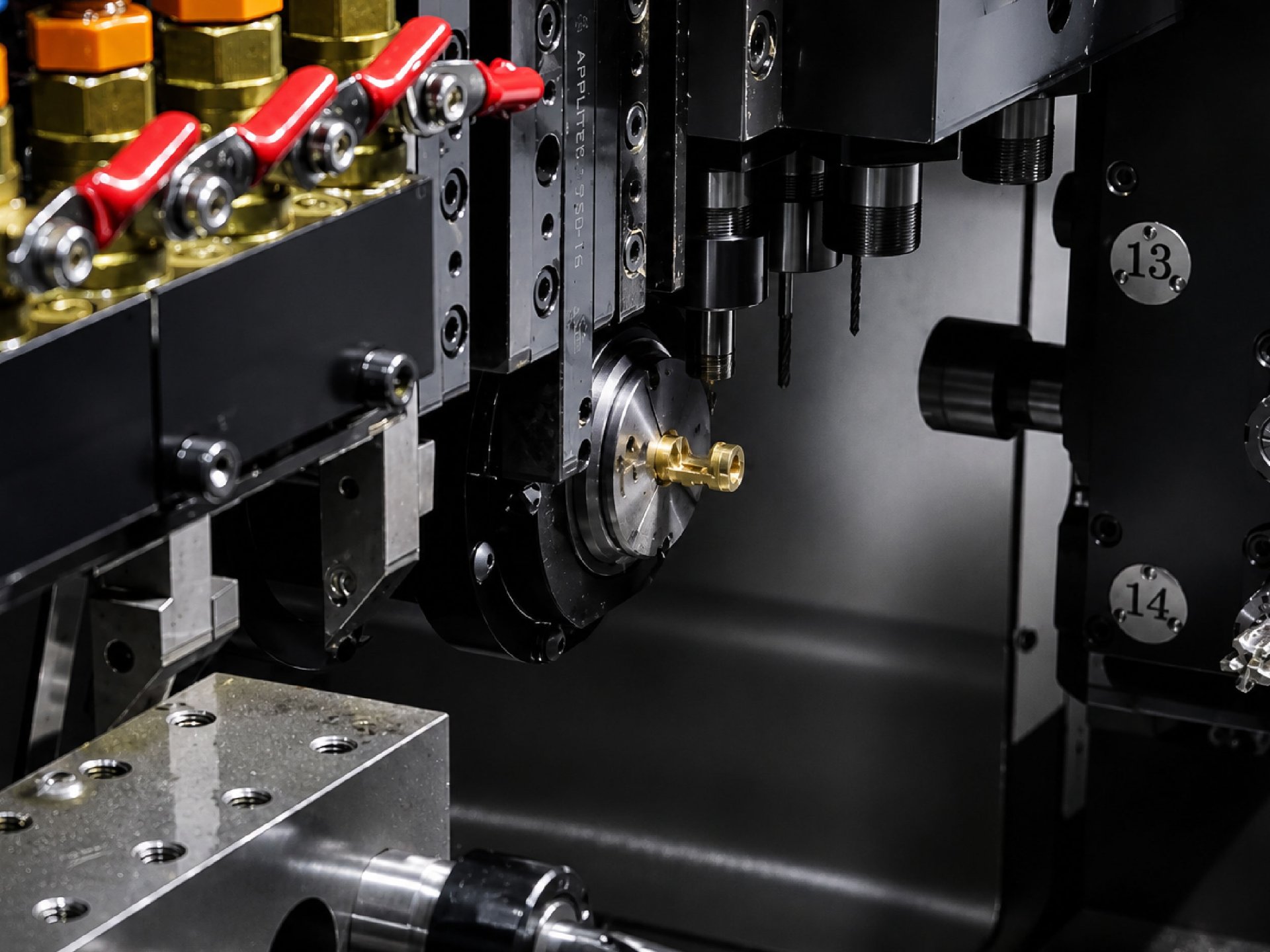
❝Explore the importance of CNC metal part production in the electrical sub-industry and the contributions of precision manufacturing processes.
Electrical devices, equipment and systems contain a wide range of metal components. From plug and socket contacts to meter terminals, busbars and grounding components, many parts need to be manufactured according to specific dimensions and technical requirements.
Material selection, dimensional accuracy, machinability and production consistency are important criteria in manufacturing metal components for the electrical sub-industry. CNC machining technologies provide controlled and repeatable manufacturing solutions for these requirements.
The Importance of Metal Components in the Electrical Sub-Industry
Metal components used in electrical equipment can perform various functions, including electrical connection, conduction, fastening and assembly.
Even small dimensional deviations can affect assembly compatibility and the operation of a component within a system. Therefore, technical drawings, dimensional tolerances and material specifications must be carefully evaluated during electrical component manufacturing.
Examples of metal components used in the electrical sub-industry include:
- CEE standard plug contacts,
- Socket contacts,
- CEE contacts,
- Grounding components,
- Meter terminals,
- Busbars,
- Plug and socket internal components,
- Switch internal components,
- Custom electrical components.
Material Selection for Electrical Components
The application, electrical characteristics, mechanical strength and operating conditions of a metal component are important factors in material selection.
Depending on the manufacturing requirements, materials such as brass, copper, steel, stainless steel and other metal alloys can be considered.
Copper and suitable copper alloys can be preferred for components where electrical conductivity is an important requirement. For components where mechanical strength, machinability and operating conditions are more critical, other metal materials can be evaluated.
Selecting the appropriate material is an important manufacturing criterion for ensuring that the component performs according to its intended application.
Manufacturing Electrical Components with CNC Technology
CNC technologies can be used to manufacture metal components with different geometries for the electrical industry.
Based on the technical drawing and manufacturing requirements, CNC turning, CNC automatic turning or Swiss-type CNC machining can be selected as the appropriate production method.
Swiss-type CNC machining can be an effective option for small electrical components requiring high dimensional precision. For high-volume production, CNC automatic turning can provide advantages in terms of repeatability and production continuity.
CNC turning can be preferred for electrical components with rotational geometries.
Manufacturing CEE Plug and Socket Contacts
Contacts used in CEE standard plug and socket systems are important components of electrical connections. Their dimensions, geometry and material properties must comply with the requirements of their intended application.
Accurate machining of contact components is important for assembly compatibility and maintaining consistent product standards.
CNC machining technologies can enable controlled production of contact components with different dimensions and geometries.
Meter Terminals and Busbars
Meter terminals and busbars are also metal components manufactured according to specific technical requirements for electrical systems.
Their connection points, dimensions and geometric characteristics must be carefully evaluated during production.
Especially in high-volume manufacturing, it is important to produce identical components with consistent dimensions and specifications. CNC technologies can contribute to maintaining production standards throughout the manufacturing process.
Custom Part Manufacturing for the Electrical Sub-Industry
Electrical applications do not always use components with standard dimensions. Custom metal components may be required for specific products, equipment or systems.
Custom part manufacturing based on technical drawings, samples or specified dimensions allows manufacturers to address different requirements within the electrical sub-industry.
ESTON provides manufacturing solutions for electrical components and custom metal parts by determining the appropriate production method according to specific technical requirements.
Production Accuracy and Quality Consistency
In electrical component manufacturing, producing the first component correctly is not sufficient. During serial production, every component must meet the specified technical requirements.
The programmable nature of CNC machines allows production parameters to be applied in a controlled manner and supports the repeatable manufacturing of identical components.
Dimensional inspection, appropriate material selection and process monitoring play an important role in maintaining consistent quality in electrical subcontracting components.
Electrical Sub-Industry Manufacturing with ESTON
ESTON provides manufacturing solutions for metal components and custom parts used in the electrical sub-industry.
Its production activities include CEE standard plug contacts, socket contacts, CEE contacts and grounding components, meter terminals, busbars, plug and socket internal components, switch internal components and various custom electrical components.
Different dimensions and geometries can be manufactured using CNC turning, CNC automatic turning and Swiss-type CNC machining technologies.
By combining appropriate material selection, precision machining, repeatable production and post-manufacturing services, ESTON aims to provide reliable manufacturing solutions for the needs of the electrical sub-industry.