

What is CNC Machining? The Importance of CNC Technology in Precision Part Production
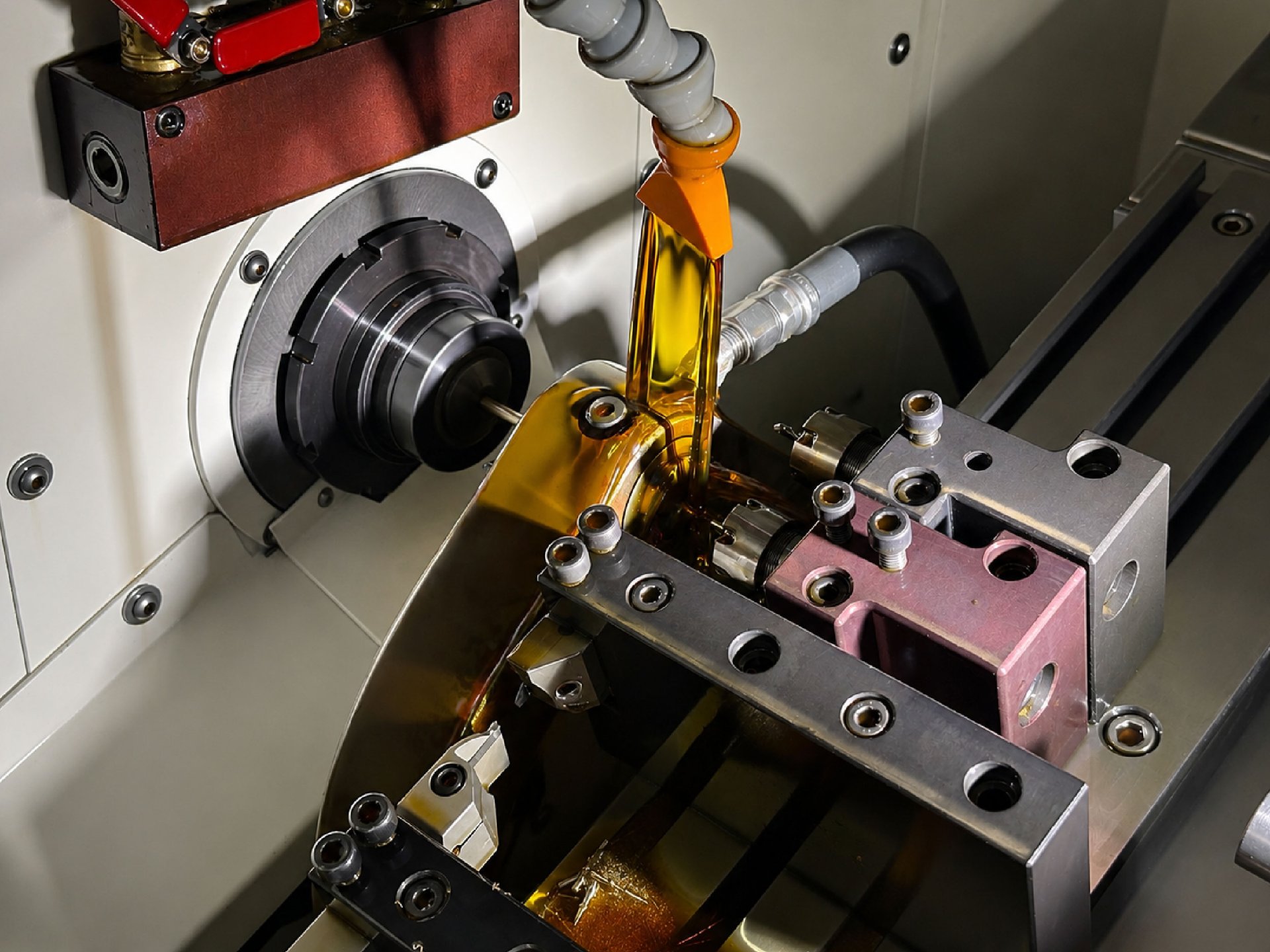
❝Discover what CNC machining is, its critical role in precision part production, and the importance of CNC technology.
What Is CNC Machining? The Importance of CNC Technology in Precision Part Manufacturing
Manufacturing metal parts to the required dimensions and geometries is essential for production efficiency and product quality across industrial applications. In particular, components requiring high dimensional accuracy are increasingly manufactured using CNC technologies alongside conventional production methods. CNC machining is a modern manufacturing process that uses computer-controlled machines to process metal components according to defined technical specifications.
What Is CNC Machining?
CNC stands for “Computer Numerical Control.” In CNC machining, production operations are carried out according to pre-programmed instructions. The technical drawing, dimensions, geometry and manufacturing requirements of the component are evaluated to determine the appropriate machining operations.
During machining, a controlled amount of material is removed from the workpiece to achieve the required shape. Depending on the component, operations such as turning, drilling and threading can be performed. CNC technology allows these operations to be carried out in a controlled and repeatable manner.
Advantages of CNC Technology in Precision Part Manufacturing
One of the key advantages of CNC technology is the ability to control dimensions and machining parameters throughout the manufacturing process. This is particularly important for projects requiring the production of large quantities of identical components.
The main advantages of CNC machining include:
- High dimensional accuracy,
- Repeatable production quality,
- Machining of complex geometries,
- Suitability for mass production,
- Controlled manufacturing processes,
- Production according to technical drawings and tolerances.
These capabilities make CNC machining an important manufacturing solution for metal components used in automotive, electrical, medical, furniture, door-lock-window and various other industrial sectors.
Precision Metal Part Manufacturing with CNC Turning
CNC turning is one of the key machining methods used particularly for rotational components. Parts featuring different geometric details such as diameters, lengths, grooves and threads can be machined on CNC turning machines according to technical requirements.
Bushings, pins, fasteners, threaded components and various custom metal parts are among the components that can be manufactured using CNC turning.
CNC Automatic Turning and Swiss-Type CNC Machining
The dimensions, geometry, material and production volume of a component play an important role in determining the most suitable CNC machining method.
CNC automatic turning systems can be preferred for components requiring high-volume and repeatable production. Maintaining consistent standards and production continuity provides significant advantages in projects with high production quantities.
Swiss-type CNC machining is particularly suitable for manufacturing small-diameter and precision components. Depending on the geometry and technical specifications of the part, appropriate tooling and machining parameters are determined for the production process.
Material Selection in CNC Machining
The application, operating conditions and technical requirements of a component are key factors in material selection. CNC machining processes can be used to manufacture components from various metals, including steel, aluminum, brass, copper, free-machining steel and stainless steel.
Selecting the appropriate material is important for the strength, service life, operating performance and application suitability of the component. Therefore, technical requirements should be carefully evaluated before production begins.
Precision and Solution-Oriented Manufacturing with ESTON
ESTON provides manufacturing solutions for the metal component requirements of different industries through its machining and CNC production capabilities. Components with different dimensions and geometries are manufactured using CNC turning, CNC automatic turning and Swiss-type CNC machining methods.
For custom parts manufactured according to technical drawings, samples or specified dimensions, material selection, machining method, dimensional accuracy and production continuity are evaluated together.
ESTON aims to be a reliable manufacturing and subcontracting partner for precision metal component production across various industrial sectors, particularly electrical subcontracting, automotive, medical, furniture and door-lock-window industries.